

First of all, this is by no means an exhaustive list. There are dozens of Jura producers whose allocations we seek out, and plenty more who we happily order when we spot them on a wine list. It’s also not a rundown of the rarest, most expensive wines in the region (though if you are looking for Miroirs or Overnoy, let us know and we can help). This is simply a primer on some of the Jura wines we’re enjoying most right now. Both old-school icons and up-and-coming estates - you can go a long way towards understanding the current excitement around the Jura by exploring the producers highlighted below.
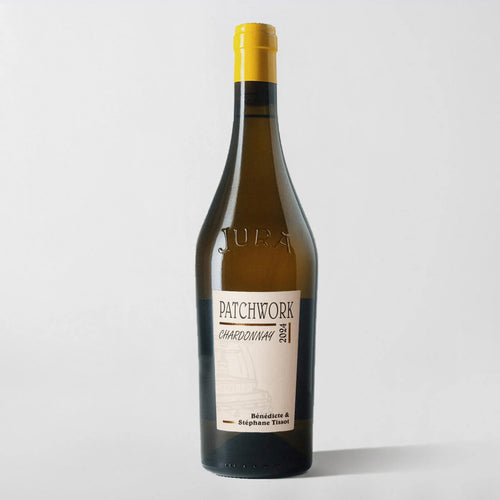
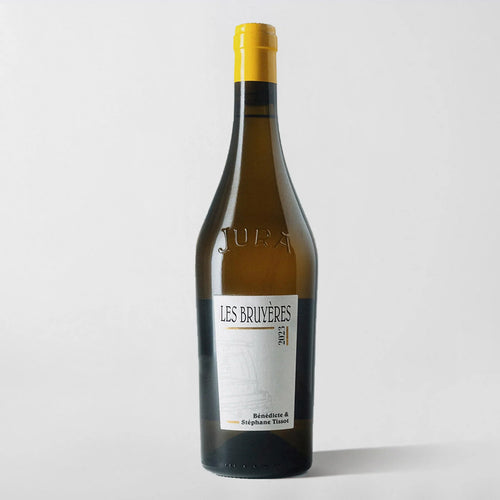
Tissot
Stéphane Tissot is one of the first names people associate with the Jura. That’s primarily due to the quality of his wines, which have become some of the region’s very best since he took the reins from his father in the early ‘90s. It’s also thanks to Stéphane’s role as a torchbearer for the natural wine movement and his evangelism for native grape varieties and local styles. If you were to try to become an expert on the Jura through the lens of just one producer, Tissot would be your best bet.
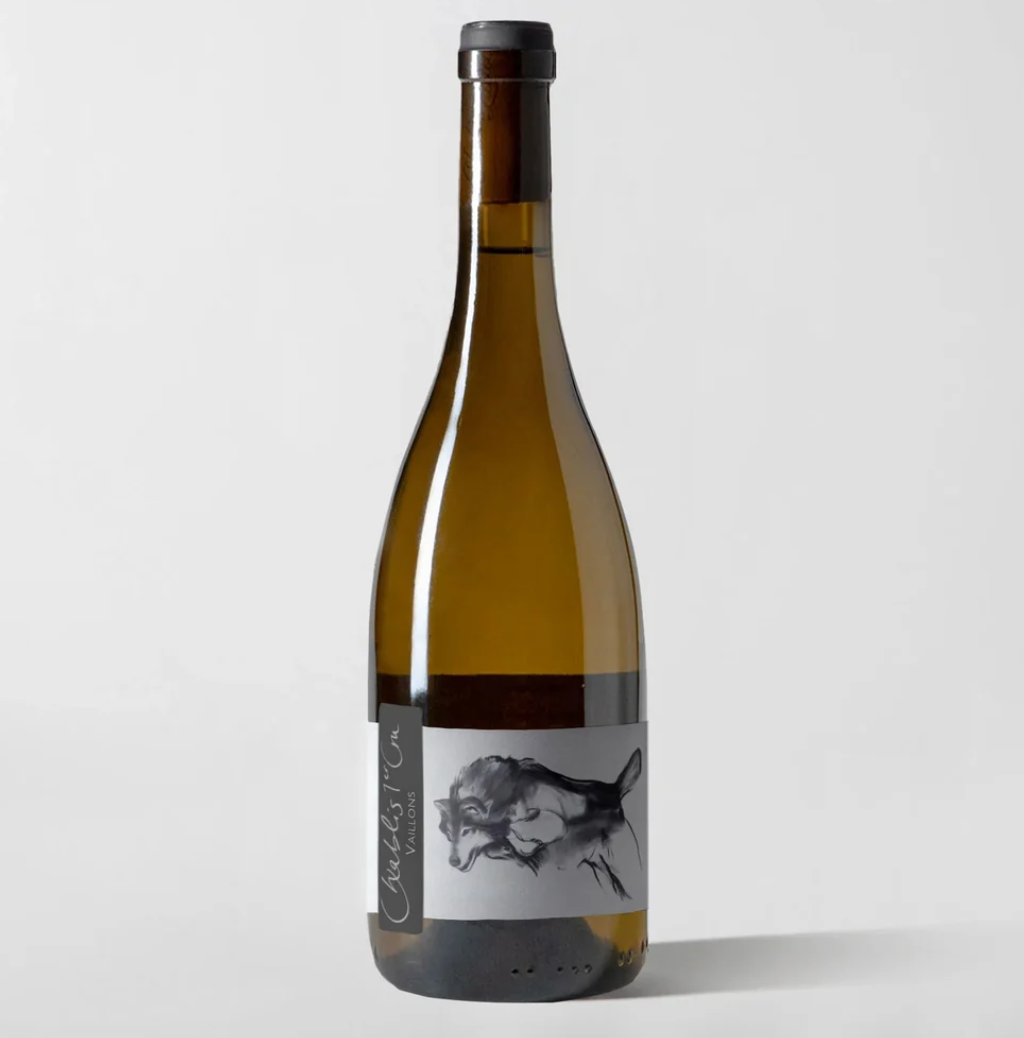
Labet
While producers like Labet and Ganevat are now highly sought after and allocated, things looked quite a bit different 20 or so years ago. The Jura remained an undiscovered gem, a kind of country cousin to Burgundy. As the region became the center of the natural wine movement, and its styles went from esoteric to in-vogue, things changed in a hurry. Now, the wines of Julien Labet, who previously worked at Ramonet in Burgundy, can be found in the most serious cellars and restaurants around the world.
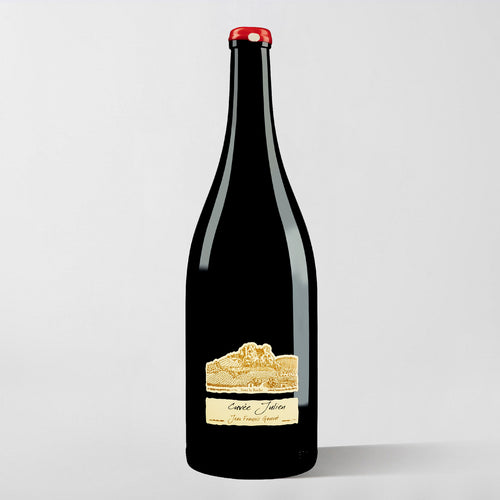
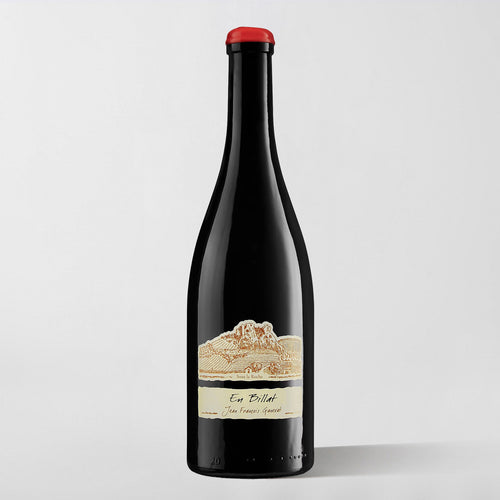
Jean-François Ganevat
From a mere 8 hectares of vines, Jean-François Ganevat makes around 40 different wines each year. They tend to lean to the restrained, Burgundian side stylistically, as Jean-François has always drawn inspiration from his time working with Jean-Marc Morey in Chassagne-Montrachet. But no matter the color or style, Ganevat’s wines share a throughline of purity, intensity, and originality. Another common trait is scarcity, as the wines are always hard to track down in the U.S.
Marnes Blanches
Marnes Blanches is more of an in-the-know move than other Jura standouts, but these are, without question, some of the best wines being made in the region today. Géraud and Pauline Fromont, both natives of the Jura, organically farm small plots in the same southerly zip code as Ganevat and Labet. The young couple produce fresh, site-specific wines in very small quantities.
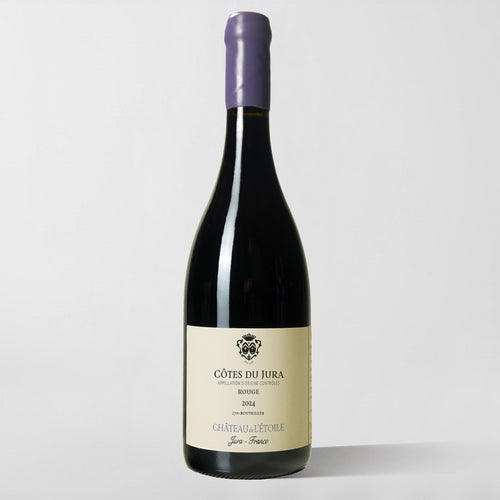
Chateau de L’Étoile
Chateau de L’Étoile dates back centuries, but its current chapter begins in 2024. That’s when Louis Fourrier, the son of Burgundy legend Jean-Marie Fourrier, took over the estate. In the future, Louis plans to split his time between the Jura and his family’s iconic domaine in Gevrey-Chambertin, but for now, his focus is squarely on L’Étoile. 2024 marks Louis’ first-ever release. While it was a remarkably low-yielding vintage, the wines he did make offer a glimpse into what’s to come, with Burgundian sensibilities deftly applied to local grapes and vineyards.
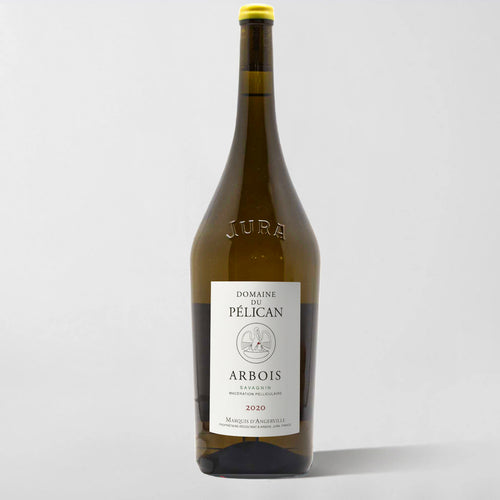
Domaine du Pélican
An hour east of his iconic winery in Volnay, Guillaume d’Angerville founded Domaine du Pélican in the Jura in 2012. He took over a sizable chunk of land from the legendary Jacques Puffeney when Puffeney retired in 2014, and for the last decade, Pélican’s wines have ascended to the upper echelon of the Jura quality hierarchy. The fresh whites and lithe, aromatic reds coming out of Pélican’s new winery Montigny-lès-Arsures have never been better.
Domaine de la Borde
Of all the producers in this lineup, Domaine de la Borde is probably the one you’ll see the least in the U.S. But whenever you do find Julien Mareschal’s nuanced natural wines, we recommend stocking up. Start with his fresh, notably salty chardonnays, and move on to his airy, earthy reds from pinot noir and poulsard from there.